

The Government Just Gave Seniors a 2.8% Pay Cut. They're Calling it a 'Raise.'
Let’s get one thing straight. The Social Security Administration just announced that Social Security recipients can expect a 2.8% increase in benefit payments for 2026, and the press release might as well have been written by the marketing team for a failing theme park. It’s all smiles and official-sounding numbers designed to make you feel like something good just happened.
It didn't.
This isn't a raise. It's a statistical illusion, a cruel joke played on 71 million Americans who are supposed to feel grateful for an extra $56 a month. Fifty-six bucks. In today's economy, that’s a tank of gas if you're lucky, or maybe a week's worth of slightly-less-wilted grocery store vegetables. The crisp, cheap paper of the Social Security letter will arrive in December, a little holiday card from Uncle Sam telling you he’s graciously decided you should fall behind a little more slowly this year.
They tell us this is to help seniors keep up with inflation. What a line. September’s inflation rate was already 3%. We're starting the year in the red before the first check even clears. This is like your boss giving you a 3% raise during a year when your rent, food, and utilities all went up by 5%, then expecting a thank-you card. It’s an insult disguised as a calculation.
And honestly, are we really supposed to believe this is some act of benevolence? The Social Security Administration’s own commissioner, Frank Bisignano, said this adjustment is a way to "make sure benefits reflect today's economic realities." Let me translate that corporate-speak for you: "We are legally obligated to run the numbers through our broken formula, and this is the pittance it spit out. Please don't riot."
The Shell Game with Your Money
The real magic trick, the sleight-of-hand that makes this whole thing a scam, is Medicare. While they’re handing you that shiny new $56 with one hand, they’re preparing to snatch half of it back with the other.
Medicare hasn't officially announced its 2026 premiums yet, but the trustees—the people who actually know the numbers—are projecting a 12% hike for Part B. That means the standard premium is expected to jump by about $21.50, to $206.50 a month. So, right off the top, your "raise" of $56 just became a raise of $34.50. And that’s before we even talk about prescription drugs.
I read about Mary Johnson, a policy analyst who pointed out that her own drug plan costs are set to jump by a staggering 53% next year. Her personal cost increase is $210. How, in God's name, is a 2.8% COLA supposed to cover that? It ain't happening. This whole system feels like one of those impossible-to-cancel gym memberships. They make it so complicated, with so many moving parts—Part B, Part D, deductibles, a donut hole that sounds more like a black hole—that you just give up and let them drain your account.
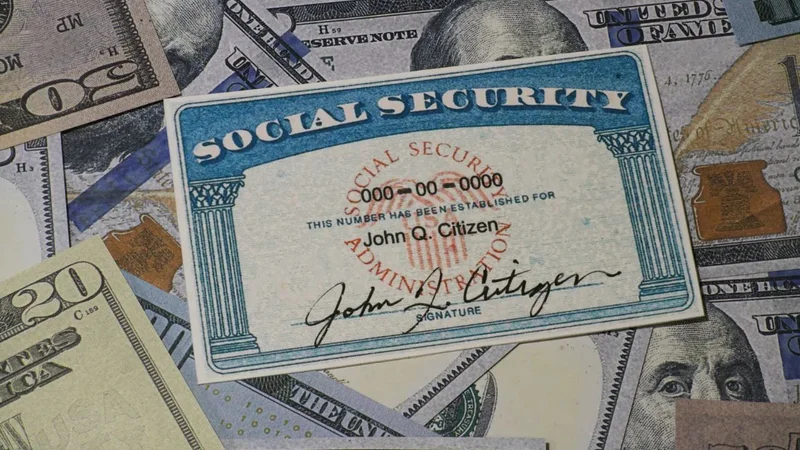
This is a bad system. No, "bad" doesn't cover it—this is a five-alarm dumpster fire of calculated neglect. It’s designed to confuse, to obfuscate, and to ensure that by the time you figure out how you're being screwed, the rules have already changed again. What other explanation is there for a system where your income boost is immediately vaporized by the rising cost of the very services you need to stay alive?
A Broken Calculator for a Broken System
The root of this entire mess is the formula they use. The COLA is calculated using something called the "Consumer Price Index for Urban Wage Earners and Clerical Workers," or CPI-W. Read that name again. Wage Earners and Clerical Workers. It measures the spending habits of younger, working people.
This is, without a doubt, one of the stupidest things I have ever heard. Using the CPI-W to calculate a retiree's cost of living is like using a weather forecast from Miami to decide if you need a coat in Anchorage. The tool is technically working, but it's measuring the wrong damn thing.
Seniors don't spend their money like 35-year-old office workers. Their biggest costs are healthcare and housing. And what are the costs doing in those sectors? They’re exploding. The data shows that the cost of elderly care at home skyrocketed 11.6% last year. Medical services are up 3.9%. Offcourse the official inflation number looks lower when you’re measuring the price of new sneakers and streaming subscriptions, things most seniors on a fixed income aren't splurging on.
So I have to ask a real question here: who, exactly, does this CPI-W formula serve? It obviously doesn't serve the 71 million beneficiaries. Does it serve the politicians who get to pretend they're helping while knowingly using a broken metric? Does it just serve the inertia of a bureaucracy that can't be bothered to fix something so fundamentally flawed? They see these numbers, they see the poverty rates climbing, and they just...
Then again, maybe I'm the crazy one here. Maybe I'm just screaming into the void. This is just how it is now, a slow-motion collapse we're all supposed to pretend isn't happening while we nod along to the official announcements.
The people living this reality know the truth. An AARP poll found that 77% of Americans over 50 think a COLA around 3% isn't nearly enough. They aren't economists, but they don't have to be. They just have to pay their bills. They know the price of groceries and co-pays. And they know they’re falling behind. The result? The poverty rate for seniors is now 15%, the highest of any age group, and it’s still climbing. This isn't a policy debate; it's a moral failure.
So We're Just Supposed to Smile and Say Thanks?
Let's call this what it is. The 2.8% COLA isn't a lifeline; it's an anchor. It’s a mathematical lie that provides political cover while pushing millions of the most vulnerable Americans closer to the edge. It’s a testament to a system that has become so detached from reality that it can no longer perform its most basic function: to provide security. Enjoy your extra thirty-something bucks a month. Try not to spend it all in one place—like, say, on a single co-pay.