

Affirm's Q1 2026: Partnership Parade or Profit Party?
Affirm just dropped its Q1 2026 results, and the headline seems to be "partnerships, partnerships everywhere." A quick scan of the press releases reveals expanded deals with New York Life, Worldpay for Platforms, and Wayfair. The company is clearly working hard to embed its "buy now, pay later" service into more corners of the market. But are all these handshakes translating into actual revenue and, more importantly, profit? That’s the question that keeps me (and, I suspect, a few other analysts) up at night.
The official announcement points to the usual investor relations song and dance: a shareholder letter filed with the SEC, a conference call replay conveniently available on the website, and a promise to show up at some future investor conference. Standard operating procedure. But let's dig a little deeper than the press release fluff.
Affirm's core mission, as they state, is to deliver "honest financial products." And it's true, they don't charge late or hidden fees. That's a solid marketing angle, especially when you compare it to the fine print on most credit card agreements. But "honest" doesn't necessarily equal "profitable." The market cap sits at a respectable $23.61 billion (ranking them #521), and institutional ownership is a hefty 82.15%. This suggests that the big players are still betting on Affirm's long-term potential. But with a short percent of 5.32%, there are also some prominent skeptics in the mix.
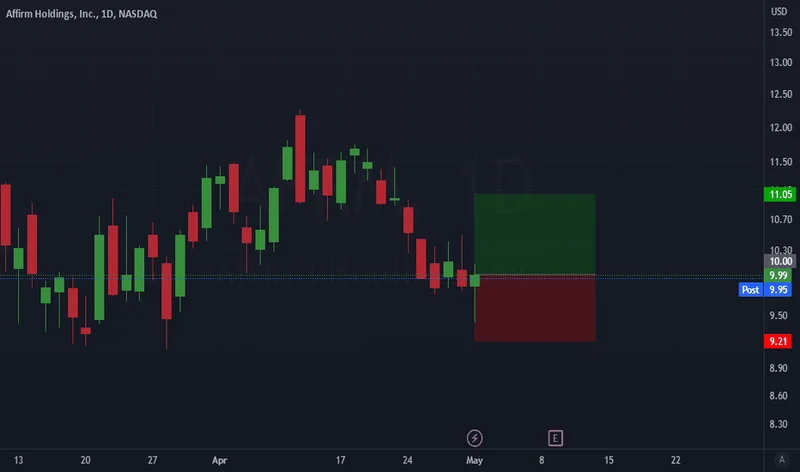
Are Partnerships a Path to Profitability?
The partnership strategy is interesting. Expanding with New York Life to increase access to "flexible and transparent payment options" sounds good on paper. But what are the actual terms of this deal? Is Affirm taking on more risk? Are they getting a better cut of the interest? Details on why the decision was made remain scarce, but the impact is clear. The same goes for Worldpay and Wayfair. More distribution is great, but it only matters if those new users are actually generating profitable transactions.
I've looked at hundreds of these filings, and the constant emphasis on partnerships, without corresponding details on profitability metrics, raises a red flag. It's like a restaurant boasting about how many new tables they've added, without mentioning that half of them are empty most nights. The Rhea-AI sentiment being neutral doesn’t help either. It’s just noise. What I want to see is hard data on customer acquisition costs, average transaction size, and default rates for these new partnerships.
And this is the part of the report that I find genuinely puzzling: the lack of granular data. We get the broad strokes, but not the detailed breakdown that would allow us to truly assess the health of these partnerships. Are Wayfair customers more or less likely to default than Affirm's average user? What's the average loan size for a New York Life customer using Affirm's service? These are the questions that need answering.
Partnership Parade or Profit Mirage?
Affirm's Q1 2026 results paint a picture of a company focused on growth through partnerships. But without more transparency on the financial impact of these deals, it's hard to tell if this is a sustainable strategy or just a way to pump up the numbers for investors. I remain cautiously optimistic, but I need to see more data before I'm fully convinced.
标签: #afrm stock