

Generated Title: ULA's Atlas V Scrub: A $100M+ Delay for Viasat's Imperfect Dream?
Alright, let's break down this ULA Atlas V scrub. Another launch delay, this time for the ViaSat-3 F2 satellite. ULA's citing a valve issue, which, in the rocket business, is like saying your car won't start because of a "thingy." Details are scarce, naturally. But the cost implications? Those are quantifiable, and they're not pretty.
The Price of Patience (and Valves)
First, the basics: ULA scrubbed the launch Wednesday night (Nov. 5th) due to a booster liquid oxygen tank valve issue. The launch window was tight (44 minutes), and they couldn't resolve it in time. Next attempt is slated for the following night. Okay, fine. Atlas valve booster scrubs launch of ViaSat-3 F2 satellite – Spaceflight Now Launches get delayed. But let's talk about what this really means.
ViaSat-3 F2 is supposed to add over 1 terabit per second (Tbps) of capacity to Viasat's network over the Americas. That's the claim, anyway. Mark Dankberg, Viasat's CEO, even called it an "incredible capacity increase." But here's the thing: their first ViaSat-3 satellite (F1) already had antenna problems, reducing its capacity and delaying service. So, F2 isn't just about increasing capacity; it's partly about recovering from a previous screw-up.
Now, the cost. An Atlas V 551 configuration launch? Ballpark figure is $100 million, maybe more, depending on the specifics of the deal (insurance, etc.). A one-day delay doesn't add that much to the hard costs, but it does extend the timeline, which impacts Viasat's revenue projections. Every day that satellite isn't beaming data is a day they aren't collecting revenue from airline passengers, maritime crews, and those "communities located far from cellular networks," as Boeing put it.
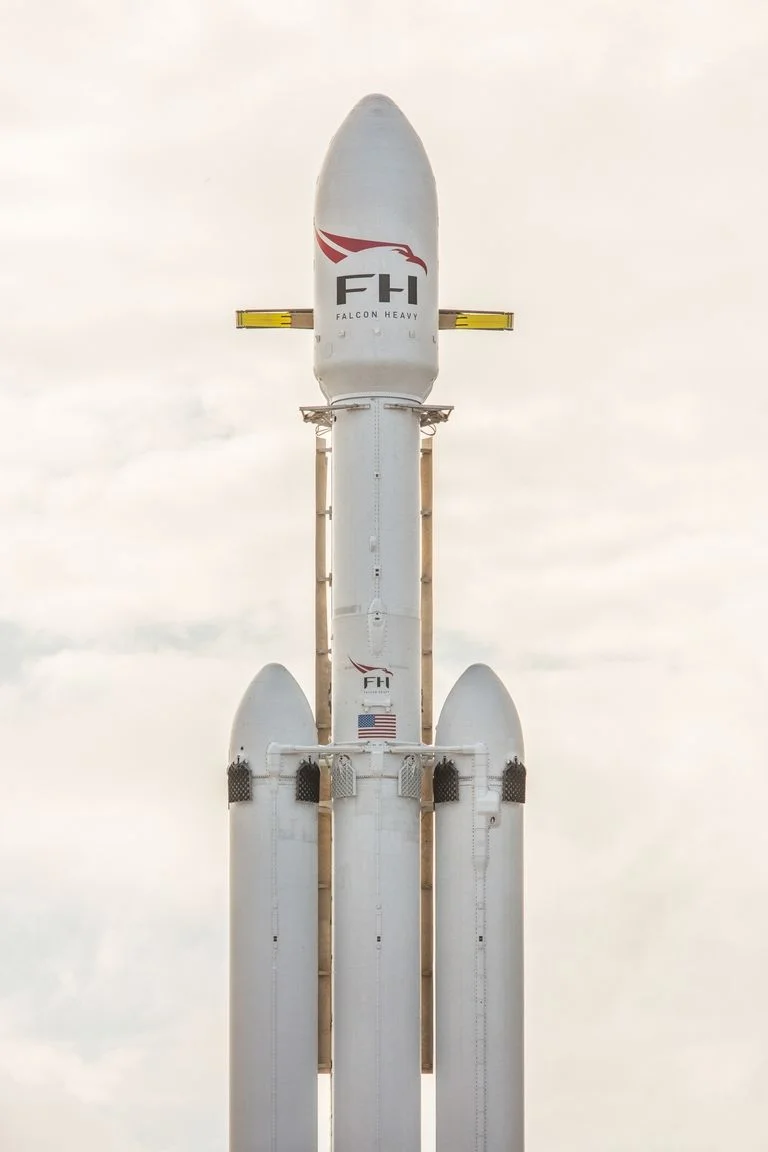
And here's where my analyst senses start tingling. Viasat is touting this satellite as a game-changer, but they're launching it on an Atlas V, which ULA is retiring. They've got 11 Atlas V rockets left: 6 for Boeing’s CST-100 Starliner and 5 for Amazon’s Project Kuiper. After those missions, the Atlas V is done. Why not use a Falcon Heavy or a New Glenn? Maybe it was a legacy contract, or maybe they got a good deal. But it feels like they're squeezing the last bit of life out of an old platform for a satellite they’re calling "an engineering marvel.”
The Imperfect Constellation
Viasat needs this satellite to work, plain and simple. They’re touting "dynamic beam forming capabilities" that will "efficiently deploy bandwidth to the highest demand places." That sounds great, but it also sounds like marketing-speak for "we're trying to make the most of a potentially flawed system."
The satellite is built on Boeing’s 702MP+ platform, which uses electric propulsion and solar arrays from Spectrolab. Boeing is also supporting launch operations. All well and good, but Boeing's space division hasn't exactly been firing on all cylinders lately, has it?
I've looked at hundreds of these filings, and this reliance on older tech always makes me nervous. It's like building a skyscraper on a foundation that's already showing cracks. The 6-metric-ton satellite will be launched to a geosynchronous transfer orbit, deploying nearly 3.5 hours after liftoff. It'll take three separate firings of the RL10C-1-1 engine on the Centaur 3 upper stage to reach the correct orbit. That's a lot of potential points of failure, isn't it?
Rocket Lab, meanwhile, is launching smaller Earth-observing satellites left and right. SpaceX is deploying Starlink constellations at a blistering pace—29 Starlink V2 Mini satellites on this very night, in fact. Viasat is trying to compete in a rapidly evolving market with a strategy that feels… dated.
Risky Bet, Uncertain Payoff
Viasat's betting big on F2 to shore up its network and deliver on its promises. But the delay, the reliance on aging technology, and the previous satellite's antenna issues all point to a potentially risky bet with an uncertain payoff. They're aiming for service in early 2026, but that's assuming everything goes perfectly from here on out. And in the space business, "perfectly" is a rare commodity.
Is This the Best They've Got?
Viasat is launching a satellite on a soon-to-be-retired rocket to (hopefully) fix problems caused by a previous satellite. The question isn't just whether F2 will work, but whether it's the best solution Viasat could have come up with. The data suggests… maybe not.
标签: #spacex launch today